
Teesside hospital boss lays the ground for 'transformational change' soon amid big financial pressure
An NHS leader has spoken of the need for Teesside’s medical trusts to make “big transformational change” to meet “enormous” financial expectations.
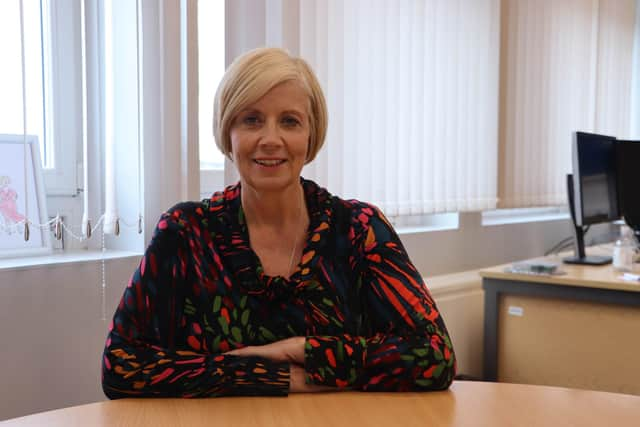
Stacey Hunter, chief executive of the University Hospitals Tees (UHT) group, which covers both North and South Tees NHS Foundation Trusts, said they had to work in a different way to live within their means as the government expects.
Within Hartlepool, the hospital group’s plans include to deliver more procedures in hubs within the community to help reduce waiting times and free up space elsewhere in the region.
Ms Hunter said: “We do know because of the level of savings required, which is well publicised right across the NHS… we have to genuinely transform some things.”

The group’s new 15-year strategy says it needs to “work smarter” and deliver the best value for money in an underfunded system by “slimming down back office services and focusing our funding on those services which have the greatest impact for our population”.
It plans to move “from treatment to prevention, from hospital to community, from analogue to digital”, following government announcements to slash running costs and workforces in regional and national health bodies.
In the next year, the hospital group plans to expand community services to 500 “hospital at home” beds, deliver more procedures in hubs in Hartlepool and Northallerton to lower waiting lists and free up space in Stockton and Middlesbrough.
It aims to join up teams from the two trusts and transform services in the coming months and years, and from 2030, move towards having one “acute specialist hospital” and one “acute general hospital”, each focusing on their own key specialisms.
But highlighting the financial pressure facing the group, Ms Hunter added: “The financial asks of us, alongside the absolute necessity to run safe and sustainable clinical services, are enormous in this next three years.”
Key to that will be cutting back on its reliance on non-essential flexible temporary staff and agency workers and the associated costs, and ending some non-commissioned services.
Ms Hunter said they had to “pick up pace” adding: “It is our frontline teams and clinical leaders that have to help us bring this to life.”
Matt Neligan, the group’s chief executive and chief strategy officer, said: “We’re at a significant pivot point.”