
Prisons and Probation Ombudsman publishes report into death of Hartlepool man in Durham Prison
An investigation into a Hartlepool man’s death in prison has found no one at the jail was to blame.
Richard While, 48, was found dead in his cell at Durham Prison, where he was being held on remand, in July 2024.
He was the 14th prisoner to die at the prison since July 2021.
Mr While had been on remand for six months after being charged with threatening his partner with a knife.
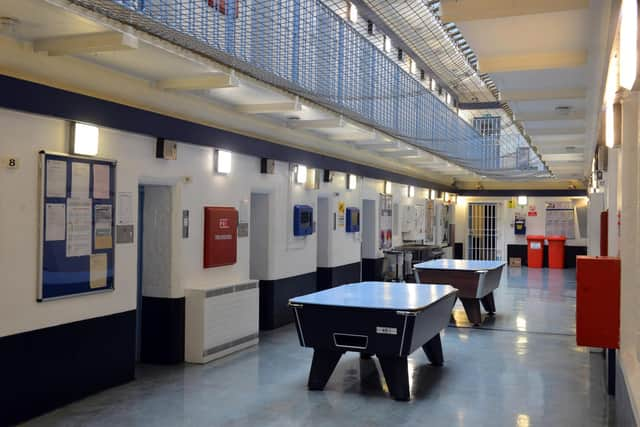

Following his death, an official report has now been published by the Prisons and Probation Ombudsman.
Ombudsman Adrian Usher found that while Mr While had a long history of mental health problems, including schizophrenia, self-harm and alcohol dependency, the level of care he received was good.
Mr While arrived at the prison with a suicide and self-harm warning and was monitored using suicide and self-harm prevention procedures, known as ACCT, throughout his stay.
He spent nearly all his time in the Integrated Support Unit (ISU), a small unit for prisoners with significant mental health problems.
His time in custody included two months under constant supervision.
While in prison, Mr While’s mental health fluctuated and at times he harmed himself, linked to anxiety including around his court case.
The investigation report stated his partner and a friend had contacted the prison with concerns about his deteriorating mental health, including the day before his death.
A mental health nurse tried to complete a care pathway, but Mr While refused to engage.
A psychiatrist also reviewed him and noted that he was hearing voices and anxious.
He was found hanging in his cell by an officer the following afternoon. Staff and paramedics carried out CPR for around 30 minutes, but were unsuccessful.
Mr Usher offered his condolences to Mr While’s family and friends.
He said: “My investigation found that staff managed the ACCT procedures well, and Mr While received good support from prison and mental health staff.
“The clinical reviewer considered Mr While’s clinical care for his mental health and substance misuse was of a reasonable standard and was equivalent to that which he could have expected to receive in the community.”
He added he was satisfied that there was no indication that Mr While’s risk of suicide had increased, and his level of observation was reasonable at that time.
The ombudsman made no recommendations.