
200 native wild orchids given new home on Teesside
Scores of delicate flowers have been given a new home to help them thrive in a conservation project.
Around 200 native Northern Marsh and Pyramidal Orchids have been carefully rescued and replanted by hand at two new local sites.
The dormant wild orchids were carefully lifted from Greenabella Marsh, north of Greatham Creek, before being transported and replanted at specially selected locations within RSPB Saltholme and Seaton Common national nature reserve, where ecologists hope they will establish and flourish for years to come.
Partners joined together to protect the rare native plants including the Environment Agency, RSPB Saltholme, Hartlepool Borough Council, British Orchids, The Tees Rivers Trust, Cleveland Naturalist’s Field Club, and Natural England, and around 20 volunteers.
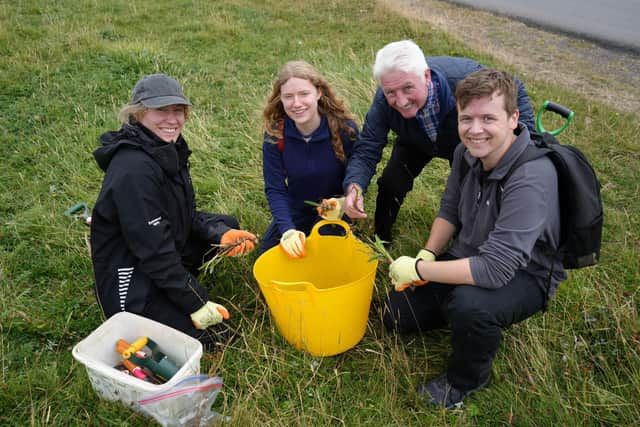

They have been moved because part of Greenabella Marsh would be affected by new tidal habitat created as part of a planned flood alleviation scheme in Greatham.
The new sites were chosen because they already support suitable habitat and existing orchid populations, offering the best possible chance for the transplanted orchids to thrive in suitable soil conditions.
Chris Francis, senior manager at RSPB Saltholme, said: “Wild orchids are among Britain's most beautiful native plants and we're incredibly proud that Saltholme has been chosen to give many of them a new home.
“There are never any guarantees when moving wild plants, but we've selected habitat where they have the very best chance of thriving.
“If visitors are able to enjoy these orchids flowering here for many years to come, it will be a wonderful conservation success and a fantastic example of organisations coming together to do the right thing for nature."
Councillor Rob Darby, Chair of Hartlepool Borough Council’s Housing, Growth and Communities Committee, added: “This is a fantastic example of organisations working together to protect and enhance our local natural environment.
“By bringing together the expertise and commitment of all the partner organisations, we are giving these beautiful native orchids the best possible chance to thrive in their new homes.”
The orchids are currently dormant beneath the ground and conservationists will return next summer in the hope of seeing fresh leaves and flowers emerge.