Concerns over latest 'huge' proposed solar farm near Hartlepool
Plans have been lodged for a third solar farm within a five-mile radius prompting concerns from villagers.
A 200-acre development on farmland off the A19 at Sheraton on the outskirts of Hartlepool with a 40-year lifespan is proposed by Lightsource bp.

They have also got permission for a similar sized farm also off the A19 at Hulam Farm near Hesleden.
And a proposed solar farm by CS UK Holdings III off Worset Lane near Hart is due to be decided by Hartlepool Borough Council on Wednesday, August 25.
One Sheraton resident, who did not wish to be named, said villagers are concerned at the size and concentration of them in a small area.
He said: "It would bring the total acreage to over 600 and among the top five largest in the country and all within a mile of the village.
"The impact will be devastating for a small community who feel unfairly put upon by the sheer magnitude of it all.
"Homeowners are asking why here? Why us?”
Each solar farm site is the equivalent size to 100 football pitches.
Lightsource bp has invested £2.5billion into solar developments in the last seven years.
It says the proposed development at Sheraton Hall Farm would generate 49.9 megawatts of electricity for the national grid, enough to power approximately 16,330 homes.
A planning statement to Durham County Council on behalf of the applicant says it will make significant contribution to the Government’s net zero greenhouse gas emissions target by 2050.
It states: “The proposed solar PV installation would result in a reduction in carbon emissions associated with energy generation equating to approximately 20,558 tonnes of CO2 per annum or the removal of approximately 4,374 standard cars from the road each year.”
The application also includes a mix of substations, storage and monitoring buildings, security fencing and CCTV.
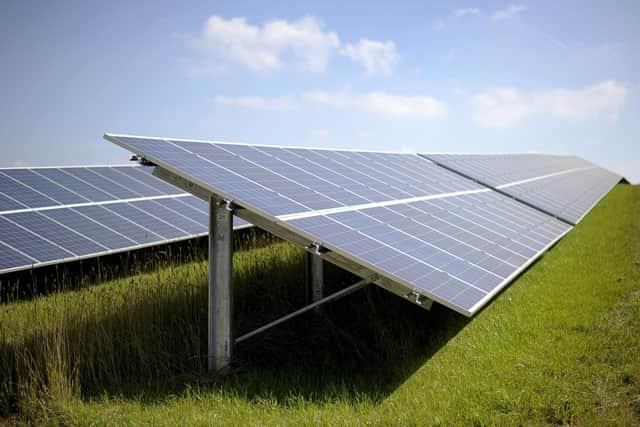
It states the solar panels would have a maximum height of three metres (15 feet) and be tilted at a 20 degree angle.
It adds the panels are made of photovoltaic cells which are designed to maximise the absorbency of the sun’s rays and minimise glare.
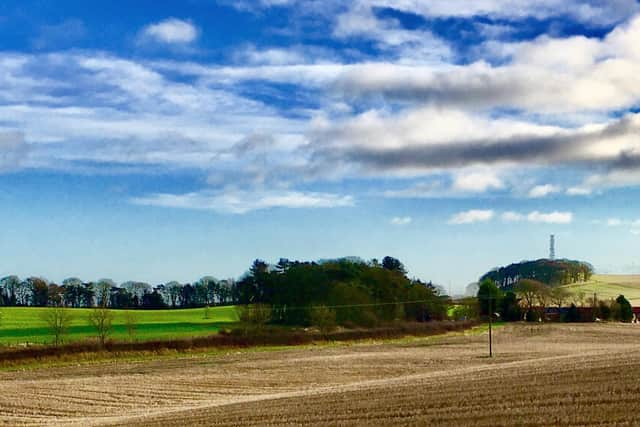
The applicant also says the land could still be used for used for grazing sheep and any visual impact would be limited to the surrounding area and be reduced by proposed planting.