
Hartlepool residents warned against putting dangerous items into their recycling bins
To mark National Recycling Week, the boss of Hartlepool’s Biffa plant has urged households across County Durham and Teesside to beware of putting dangerous items in their recycling bins.
To mark National Recycling Week, the boss of Hartlepool’s Biffa plant has urged households across County Durham and Teesside to beware of putting dangerous items in their recycling bins.
Richard Nicol, head of commercial at Biffa’s resources division and the man overseeing six recycling plants nationwide, including the Teesside MRF at Tofts Farm Industrial Estate, has offered a list of 10 things not to put in recycling bins, with vapes at the top.
“They’re a fire risk and a risk to life,” he said. “If I could ask for one thing people take from this article, it’s never to put a vape in the recycling bin again.”
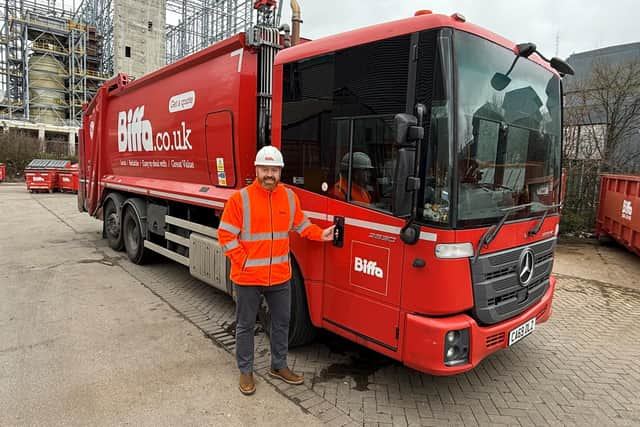

The warning comes as the Hartlepool plant continues to deal with staggering numbers of discarded vapes. In just four months, staff pulled 95,000 vapes out of household waste arriving at the site.
Across the UK, there are around 1,200 battery fires, some of them major, every year, with many caused by lithium batteries inside vapes.
“Lithium batteries never fully run out of charge,” Richard said. “They’re a fire hazard in bin wagons and at recycling centres. We can lose whole bales of recyclable material because of a single vape.”
Instead, people should take vapes to household recycling centres, retailer drop‑off points, or vape‑shop recycling bins.
The waste industry is now calling for a deposit scheme for vapes, similar to bottle‑return systems used abroad. Shoppers would pay a small deposit when buying a vape and get it back when returning it for safe recycling.
Richard’s top 10 list of things not to put in your recycling ranges from dangerous items to items that simply can’t be recycled and cause problems at the plant.
They are:
- Vapes;
- Kettles, toasters, microwaves (take to the tip);
- Fans and lamps (take to the tip);
- Pots and pans (take to the tip);
- Pots of paint with paint still inside;
- Clothes and textiles (they wrap around conveyor belts);
- Broken light bulbs;
- Used nappies;
- Pyrex dishes;
- Electric chargers and toothbrushes (take to the tip).
Other more obvious things not to put in the bin include large lumps of wood (it wrecks machinery) and dead animals (it happens occasionally).
Things that should go in your recycling bin include:
- Cans;
- Plastic bottles;
- Glass bottles and jars;
- Food trays (remove film lid, rinse, recycle);
- Cardboard (remove as much tape as possible).
Washington-born Richard says the Hartlepool plant processes 2,200 tonnes of household waste every week of the year, covering four councils, including all of County Durham.
“We’re proud of our record,” he said. “But there are ways the public can help us work more efficiently and safely.”
Richard says many people are trying to do the right thing but guessing what can be recycled is causing chaos.
“It’s called wish‑cycling,” he explained. “People put things in the bin hoping they can be recycled, without really knowing whether they can be or not.”
Items that look recyclable, such as electric toothbrushes, chargers or anything containing a battery, are not.
“The key things we’re interested in are always glass, plastic and cans,” he said.
Richard’s final message for National Recycling Week is a simple one: “If in doubt, leave it out.”
For more information, go to Recycle Now.