
Hartlepool physio Paul Gough reveals how important it is to stretch as you enter your 40s
It’s not just you. That creeping stiffness, the twinge in your back when you get out of the car, the aching Achilles after a jog – these aren’t random annoyances.
They’re part of a predictable shift in how the body behaves in midlife.
Turning 40 is often when people begin their first real relationship with a physiotherapist.
Injuries like sciatica, neck joint pain or tendon troubles become more common than ever before – and it’s not just bad luck.

Here’s why: In your 20s and 30s, your body is at its physical peak.
You’ve got the strength and flexibility to absorb the demands of daily life – lifting kids in and out of the car, lugging shopping bags, working out, cleaning the house, or spending hours at a desk. Your muscles and joints cope just fine.
But somewhere around 40, things change – and quickly. For some, it feels like it happens overnight.
Your muscles begin to shrink and tighten like elastic bands left out in the sun.

Why? Everyday use causes micro damage – tiny tears you don’t feel right away.
Your body repairs this damage using collagen (think of it like scar tissue or "glue").
But unlike healthy muscle, collagen isn’t flexible. It’s stiff. It doesn’t bounce back.
So now, at 40, you’ve got a body that’s still being asked to perform like it did at 25 – but it no longer has the same tools.
That mismatch between demand and capacity is why injuries strike more frequently now than ever before.
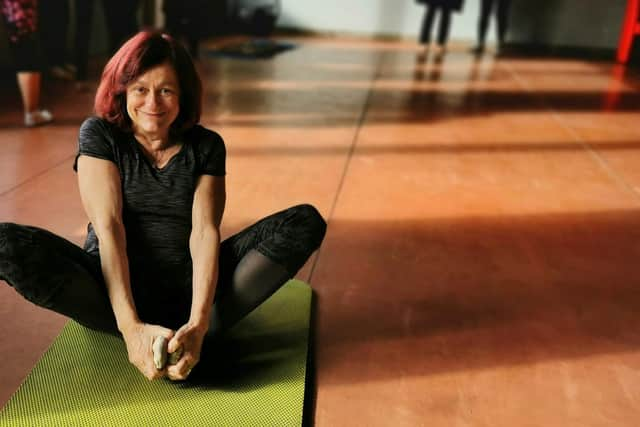
There is a fix, however, in starting to stretch. Specifically, get yourself into a regular yoga or Pilates class.
These aren’t trendy luxuries; they’re essential tools for maintaining muscle tone, improving flexibility, and reducing stiffness – especially in your back, shoulders and lower legs.
Turning 40 isn’t the beginning of the end – it’s your cue to change how you care for your body.
For more tips and advice on healthy habits, please get in touch for a free copy of my book The Healthy Habit.
I have three available to the first readers to get in touch. Call (01429) 866771 or visit paulgoughphysio.com.