
£7m investment at Tata Steel Hartlepool welcomed by MP Jonathan Brash
Hartlepool MP Jonathan Brash hailed a multi-million pound investment at one of the town’s big employers.
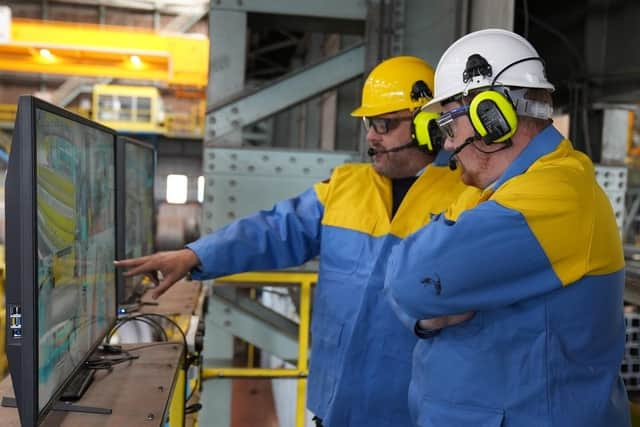
Mr Brash saw how a new £7million processing line is boosting Tata Steel, in Brenda Road, which produces steel products used in famous structures around the world including the London Eye.
It is the largest investment for years at the Hartlepool site, which produces over 200,000 tonnes of steel tubes a year, supplying everything from agricultural machinery and sports stadiums to steel-framed buildings and the energy sector.
Works manager Andrew Ward said: “It is great to be able to welcome our new MP to site and to share with him the investments we are making as well as for him to meet our workforce.

“The new slitter will make a huge difference to the efficiency of the end-to-end process of turning slab from Port Talbot into coil before we form it into the highest quality tubes for global markets.”
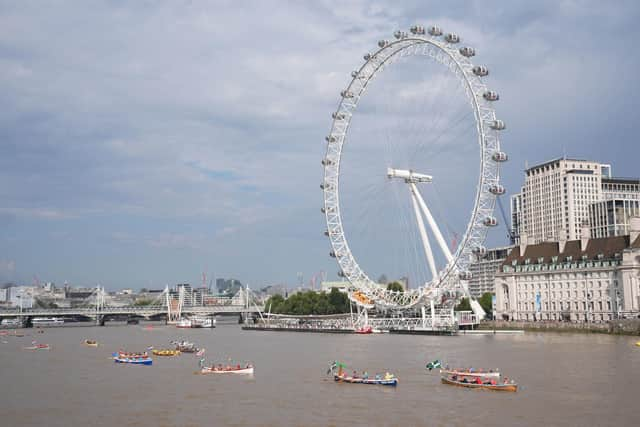
Steel tubes from Hartlepool have been used in projects including The Museum of the Future in Dubai, Real Madrid football stadium, the London Eye, offshore pipelines in America and the Kelpies sculpture in Scotland.
Mr Brash visited the site to see the progress being made with the major new investment and chatted to workers.
He said: “This is a major employer with a huge impact on our local economy. The things produced here we see all over the world and it’s a proud moment for me to come and experience this here.
“It’s incredibly impressive, and to hear about the investment that has happened here, the plans for the future and the growth they want to see here is incredibly exciting.”
He added: “I think we’re about to go through a period of re-industrialisation linked to a skills agenda – it has to be towns like ours that benefit from that.
"I’m really hopeful for the future. I want to put Hartlepool on the map as part of that exciting future and I think Tata Steel will be part of that.”
Mr Ward said the investment has allowed them to bring a vital process to the site and free up capacity at Port Talbot as it transitions to low CO2 steel.
The investment at the Hartlepool site is predicted to pay for itself in less than three years.