
Sports centre and swimming roles open new opportunities for local workers
New leisure vacancies in Hartlepool are offering local workers fresh routes into employment, with sports centre and swimming roles highlighting the range of careers available in community health, fitness and recreation.
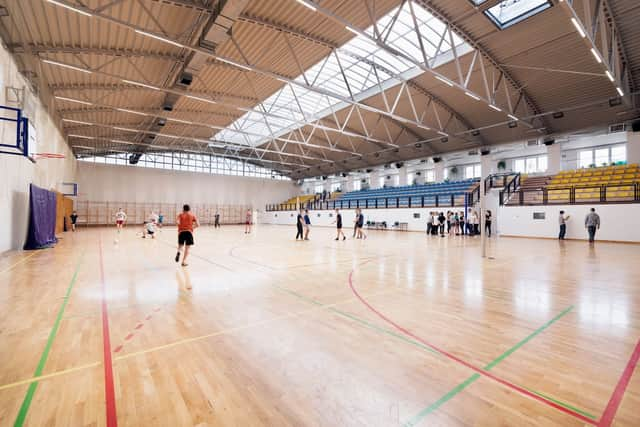

Active Hartlepool has recently advertised roles including a Duty Officer at Brierton Sports Centre and a Level 2 Swimming Instructor position. The vacancies point to the continuing importance of leisure services as both employers and community assets, supporting residents’ wellbeing while creating practical job opportunities.
For Hartlepool workers, roles in leisure can offer more than a payslip. Sports centres, swimming pools and fitness facilities are often places where people build confidence, improve health, learn new skills and connect with others. Staff working in these environments play a direct role in community life.
A swimming instructor, for example, does not simply teach a sport. They help children and adults learn a life skill, build water confidence and stay safe. For many families, swimming lessons are a key part of childhood. For adults, swimming can support fitness, recovery and mental wellbeing.
Duty officer roles are also important. A sports centre duty officer may help manage day-to-day operations, support staff, deal with customers, oversee safety procedures, respond to issues and help ensure facilities run smoothly. These roles can provide a strong foundation for people interested in leisure management, customer service or public-sector careers.
The vacancies may appeal to a wide range of applicants. Young people looking for their first steady role, experienced leisure workers seeking progression, people returning to work and those considering a career change could all find opportunities in the sector.
Leisure jobs often require strong people skills. Communication, patience, reliability, organisation and confidence are all valuable. Some roles require specific qualifications, such as swimming instructor certification or lifeguarding credentials, but others may offer training or progression routes for candidates with the right attitude.
That is one reason leisure careers can be a useful route into work. They can help people develop transferable skills that are valued across many sectors, including customer service, team leadership, safeguarding, health and safety, scheduling, problem-solving and conflict management.
For Hartlepool, the wider benefits are clear. Community leisure facilities support public health, youth activities, sports clubs and social connection. When those facilities recruit and retain good staff, residents benefit from better services and more consistent programmes.
The hiring also comes at a time when many employers are thinking differently about workforce planning. Recruitment is no longer just about filling a vacancy quickly. Employers increasingly need to consider staff development, retention, flexible working, wellbeing and the long-term skills they will need. HR trends for 2026 highlight themes such as AI, skills-based hiring, employee experience and workforce planning, all of which are relevant to employers managing frontline teams.
For leisure providers, skills-based hiring can be particularly useful. A candidate may not have worked in a sports centre before, but they may have experience in hospitality, retail, care, volunteering, coaching or youth work. Those backgrounds can provide strong foundations for customer-facing leisure roles.
Employee experience also matters. Staff working in leisure services often deal directly with the public, sometimes during busy or pressured periods. If employees feel supported, trained and valued, they are more likely to provide a positive experience for customers.
For jobseekers, applying for sports centre or swimming roles should start with understanding the responsibilities clearly. Candidates should read the job description carefully, check qualification requirements and think about examples that show reliability, communication and teamwork.
For swimming instructor roles, applicants should be ready to demonstrate not only technical ability but also patience and encouragement. Teaching beginners, children or nervous swimmers requires empathy and clear instruction. The best instructors make people feel safe as well as capable.
For duty officer roles, candidates should think about examples of leadership, organisation and problem-solving. Experience handling customers, managing rotas, supporting colleagues or dealing with unexpected issues can all be relevant.
These jobs may also offer progression. A person starting in a leisure role could move into supervision, facility management, coaching, health promotion, sports development or wider council services. For young workers, that can be an attractive route into a career with structure and purpose.
The local economy also benefits when residents can access jobs close to home. Working locally can reduce travel costs, support household finances and keep wages circulating in the community. In a town like Hartlepool, community-based employment can help people build networks as well as skills.
There is also a wellbeing angle for staff themselves. Working in a leisure environment can be rewarding because employees see the impact of their work. Helping someone learn to swim, supporting a sports club or keeping a facility running safely can provide a strong sense of contribution.
However, employers must also recognise the pressures of public-facing work. Leisure staff may deal with safeguarding issues, customer complaints, busy timetables and safety responsibilities. Good training, clear policies and supportive management are essential.
For Hartlepool residents considering their next step, the latest sports centre and swimming vacancies are worth a look. They show that local employment opportunities are not limited to office, retail or industrial roles. Leisure can offer meaningful work, practical skills and a route into longer-term careers.
As community facilities continue to support health and wellbeing, the workers behind them will remain essential. These roles offer local people the chance to earn, learn and contribute to services that many families rely on.