
Face-to-face community service unveiled by Barclays after opposition to Hartlepool branch closure
Barclays says it still plans to provide “face to face” support for customers after the impending closure of its Hartlepool high street branch.
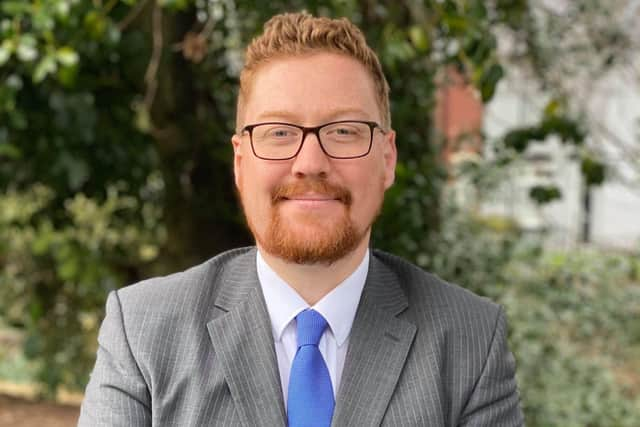
Parliamentary candidate for Hartlepool Jonathan Brash wrote to Barclays bosses to protest saying the decision would particularly affect vulnerable groups such as the elderly, disabled and people in rural areas.
It now says it will “still have an active presence” through the provision of a Barclays Local site.
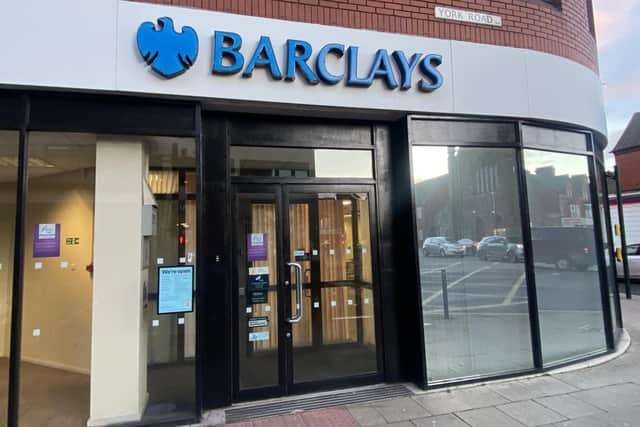

In correspondence to Mr Brash, Karen Swainston, Barclays’ regional head of corporate relations, said: "We plan to provide additional face-to-face access for banking services in a community location from the point of closure.
"Customers will be able to meet colleagues for in-person banking support and without the need to travel.”
Regular customers are due to be informed of the timings and the location of the local site in the coming weeks.
Ms Swainston said the decision to close the Hartlepool branch was based on a number of considerations, including a 61% drop in customer transactions in the two years to March 2020.
She added 91% of customers are choosing to bank online, by phone or mobile app, and the Hartlepool branch has only 54 regular customers that don’t use any other method.
Ms Swainston stated: "I fully appreciate that when Barclays decides to close a branch, this can be disappointing for customers and the local community.
"However, Barclays, like other businesses, is not immune to changes in consumer behaviours and the rapid increase of digital interactions. "
She added they are confident customers have other ways to bank locally after the York Road branch closes, so the decision to close it will not be reversed.
Mr Brash reacted by saying: “Although I remain of the view that the branch should not be closing and that this is far from a perfect solution, I would offer a cautious welcome to the compromise.
"When I wrote to them I made clear to Barclays that bank closures disproportionately impact vulnerable groups, such as older people and those with disabilities, as well as having a negative impact on small businesses.
"Therefore, their decision to compromise and continue face-to-face support in a central community location is a positive move.”