
'Can they do the 3Rs?' query as number of home educated pupils in Hartlepool rockets
The number of children being educated at home in Hartlepool continues to be on the rise following the release of latest figures.
Hartlepool Borough Council noted as of October this year 259 pupils received elective home education – a rise of more than 52% from 170 in 2023.
The figure has continued to increase over the past five years, with just 55 pupils receiving elective home education in October 2019, rising to 79 a year later, 108 in 2021 and 132 in 2022.
A report which went before the latest children’s services committee noted the top reason cited for elective home education was parental choice, accounting for 68 pupils.

This was followed by health/mental health reasons, with 51, and general dissatisfaction with school, with 38.
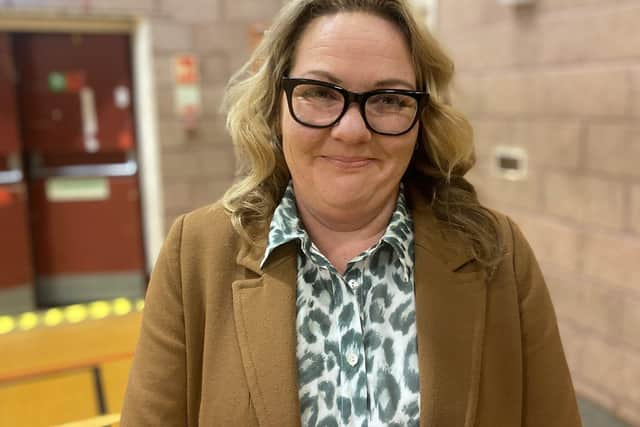
Emma Rutherford, council executive head teacher for vulnerable pupils, noted that, although the majority are secondary school aged, they are also seeing rising numbers of primary school children and pupils who have never been to school.
She said: “There is the fallback to Covid and people have it in their head that children became home educated in Covid and remained home educated after that. That isn’t the case.
“The children who are home educated have come in after the Covid lockdowns and school closures.”
Council reports note that of the 259 children currently being home educated, 15 began in 2020, with 10 in 2021 and 28 in 2022 before larger increases to 75 in 2023 and 116 in 2024.
Councillor Sue Little, speaking at the meeting, questioned how children being home educated are assessed and raised concerns if they can “do the 3Rs” of reading, writing and arithmetic.
Council officers responded by noting in such circumstances parents “assume all responsibility” for the young person’s education and therefore must arrange and fund sitting any exams such as GCSEs, which can be costly.
They added therefore sometimes families will wait until their child is in year 12 and have them sit the assessments in college.
There are also 60 children whose parents are requesting all communication from the council is in writing, instead of allowing officers to meet them and provide guidance, with the number “ever rising” and up from 34 last year.